
Mentoring
 Being a new Rotarian is exciting but can also be challenging. Rotary is a complex organisation due to its size and multiple projects and functions. A mentor can support you and guide you so that you can realise the full benefits of belonging to this amazing organisation.
A mentor will share knowledge, skills, and life experience to guide you; it is a journey of shared discovery. So we encourage you as new Rotarians to find a mentor.
What is the purpose of mentoring?
The purpose of mentoring is to tap into the existing knowledge, skills, and experience of senior or high performing members and transfer these skills to newer or less experienced members in order to advance their personal and professional development.
How does mentoring work?
Mentoring consists of a long-term relationship focused on supporting the growth and development of the mentee. The mentor becomes a source of wisdom, teaching, and support, but not someone who observes and advises on specific actions or behavioural changes.
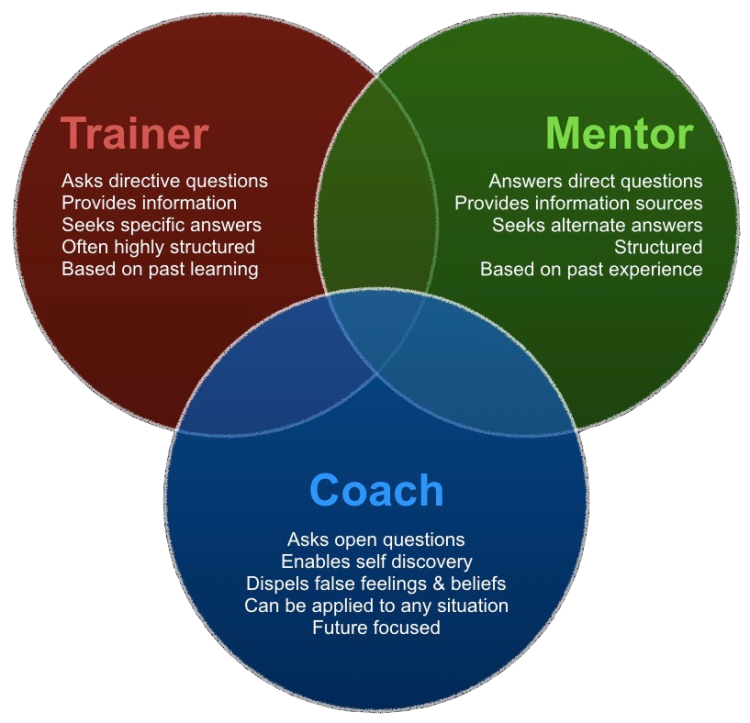
What is the difference between training and mentoring?
The key difference between mentoring and training is the relationship. A mentor-mentee relationship is personalized, confidential and friendly, while a trainer-trainee relationship often has a “teacher/student” vibe. Typically, one mentor is matched with one mentee.
As a new Rotarian why should you have a mentor?
A mentor will help you grow your understanding of Rotary and how you can get the most out of the experience. As a mentee, your mentor will leverage their experience to give you guidance on your Rotary journey. Rather than learning through trial and error, a mentor is a person you can look to for direction and a role model to imitate.